


Islamic Economic Research Center
Islamic Economic Research Center

ILKE Science Culture Education Foundation is an umbrella organization established in 2010 in order to operate in the field of business ethics and entrepreneurship, academic studies and non-formal religious education together with its institutions and to conduct pioneering studies that improve the strategic outlook on these issues. Within this framework, it undertakes the function of a center that produces information, policies and strategies in the areas of work of the institutions under the roof of the ILKE Foundation, ensures the representation of our institutions in public and improves corporate relations.
The ILKE aims both to eliminate the Decoupling between academia and the business world and to evaluate the modern economic structure surrounded by the capitalist economic system in terms of Islamic values, and to carry out a number of activities that will build the theoretical structure of a new paradigm. He has established the Islamic Economics Research Center (IKAM) in order to carry his Islamic economics studies, which he has been carrying out for a long time, to a more effective basis and to meet the ever-expanding demand and need in the field of Islamic economics. Established by the ILKE with the institutional support of ILEM and IGIAD, activities such as research, publication, training, conferences and workshops are carried out at the center.
Islamic economics studies in general remain limited in our country and in the world, and studies need to be diversified. All the antitheses about the capitalist system are being refuted day by day, and an alternative that will be a remedy against this unjust system cannot be developed. Islamic economics has the potential to provide a fairer economic life and distribution with the proposed systems and practices. Because the effort and claim of Islamic economics stems from faith, and this teaching imposes responsibilities on Muslims in terms of what they do and say. In this context, in the light of past accumulations, there is a need for competent researchers to focus on new studies and turn to this field.
The Islamic Economics Workshop, organized by IKAM since 2013, started with this idea and made valuable contributions to the knowledge base. This workshop, which has turned into a product and covers the field of theoretical and applied economics rather than current financial issues, has attracted great interest. IKAM aims to carry out new studies based on this accumulation and to increase the production of knowledge in different fields.
OUR AIM
The Islamic Economics Research Center (IKAM) was established in order to contribute to the conduct of Islamic economics studies in a more qualified manner. IKAM aims to encourage the production of competent ideas and theories for the comprehensive construction of the idea of ”Islamic economics" and to provide a basis for new studies.
IKAM aims to carry out long-term, in-depth, holistic, qualified studies for the formation of a system that promotes fair, halal earnings and respects human and human labor as an alternative to the current economic system, which is developing hand in hand with capitalism. This center, which will address Islamic economics on both theoretical and practical grounds, aims to create a structure that expands the issues of Islamic economics on various platforms by addressing them in different dimensions and enriching them with various activities so that they can benefit people working in the field.
IKAM, which attracts more attention to the field with its rich content and various activities, aims to fill an important gap in the field as a center containing concrete solution proposals that can be an alternative to the existing capitalist system on both national and international platforms.






Yayınlar
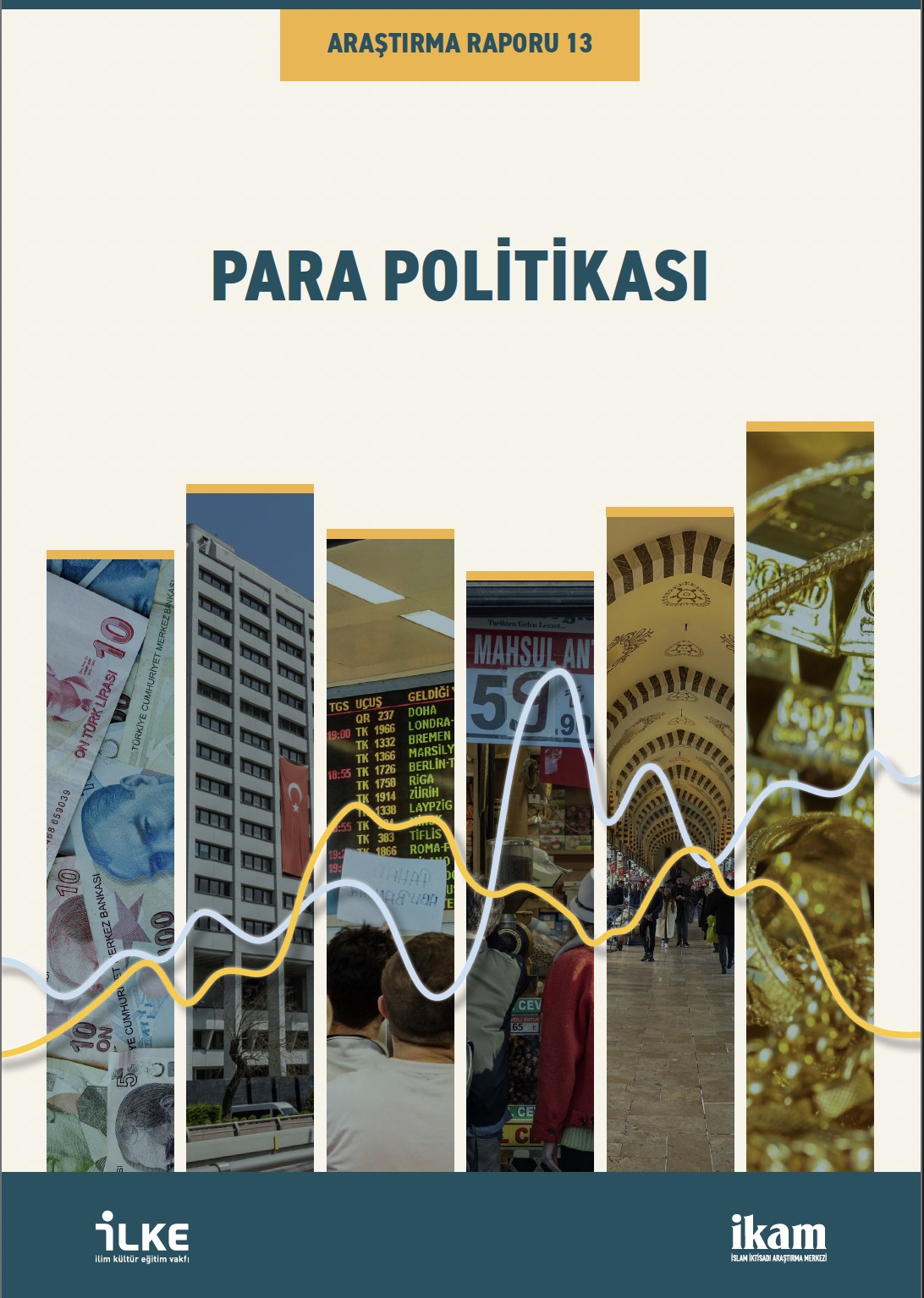
The Islamic Economics and Finance Ecosystem in Türkiye 2024 Report
The Islamic economics and finance ecosystem has been receiving increasing global attention, especially over the past 20 years. This growing interest reflects a search for a fairer and more humane alternative system in response to the injustices brought about by the capitalist system.The report titled “The Islamic Economics and Finance Ecosystem in Türkiye 2024 Report”, prepared by İKAM, comprehensively examines the current state and future potential of Islamic economics and finance in Türkiye.The report also presents proposed solutions to the challenges and existing problems within the ecosystem. Its primary aim is to promote greater awareness and accessibility of the Islamic economics and finance ecosystem and the opportunities it offers. In this context, the report’s findings and recommendations serve as an important resource for policymakers, academics, and industry representatives.
Etkinlikler
13th Islamic Economics and Finance Summit
The 13th Islamic Economics and Finance Summit, organized by the Islamic Economics Research Center (IKAM) of İLKE Foundation, will be held on October 28, 2025, in Istanbul, under the main sponsorship of Vakıf Katılım, with the valuable support and collaboration of the Turkish Association of Business Ethics (İGİAD), Anadolu Agency (AA), Türkiye Katılım Sigorta, Hamad Bin Khalifa University, İktisat Vakfı, and Boğaziçi University.Previously held as the Islamic Economics Workshop, which was limited to academic presentations, the event has been continuing since 2024 as the Islamic Economics and Finance Summit. This year, the 13th Summit will once again bring together researchers, academics, and professionals from both the public and private sectors, with the aim of presenting and discussing recent studies in Islamic economics and participation finance.The program will begin in a single session in the morning and continue in the afternoon with two parallel sessions: a general session and an academic session. In the general session, leading institutions from the sector will deliver presentations that highlight the current state of the financial industry. The academic paper presentation sessions, which were previously a hallmark of the workshop, will continue this year in the academic session.By combining academic and sector-focused sessions, the Summit will provide an extended platform where both scholars and leading industry figures can engage in in-depth discussions on Islamic economics and finance. In doing so, it seeks to foster new opportunities for collaboration and stronger alignment between academia and the industry.In addition, Islamic Economics Awards 2025 will also be presented to their recipients during the 13th Islamic Economics and Finance Summit.For Registration:
Haber
13th Islamic Economics Summit Brings Academy and Sector Together!
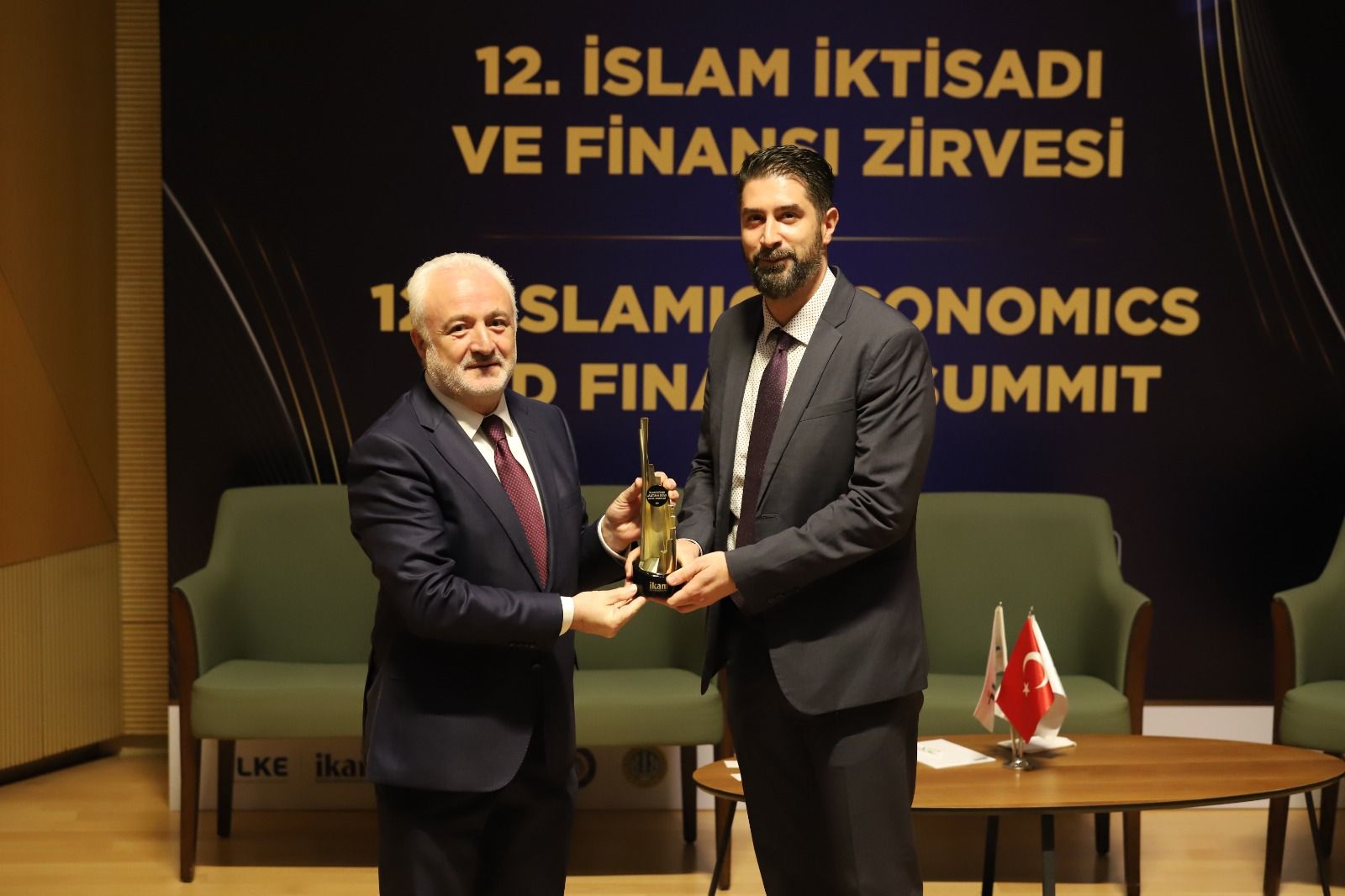
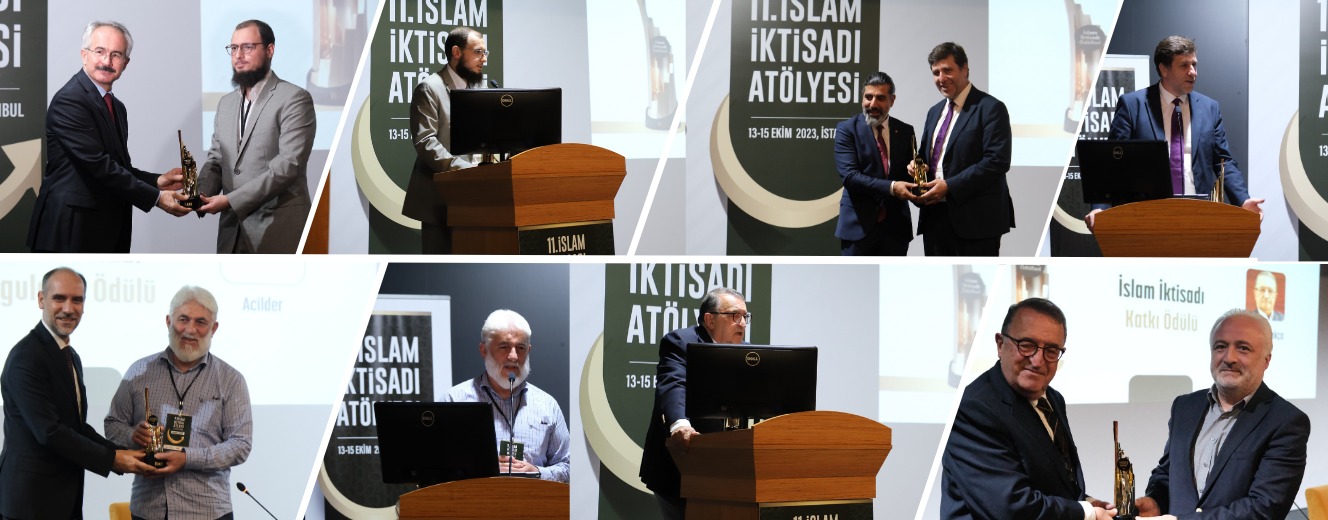
The 13th Islamic Economics and Finance Summit, organized by the Research Center for Islamic Economics (IKAM) affiliated with the İLKE Foundation, was held on October 28, 2025, at Boğaziçi University Albert Long Hall.In the opening speeches of the summit, Dr. Melih Turan, Director of the Research Center for Islamic Economics, emphasized that while Islamic economics studies are developing rapidly, systemic problems still persist. He also highlighted the institutionalization of zakat. İLKE Foundation Chairman of the Board, Atty. Ahmet Sait Öner stated, "Türkiye is on its way to becoming a center for financial inclusion; our goal is to build a system that values labor and offers permanent solutions to structural problems." Prof. Dr. Servet Bayındır, Board Member of Vakıf Katılım, emphasized that Türkiye has the potential to become the center of Islamic finance and therefore needs comprehensive legislation, primarily in social finance areas. Dr. Melikşah Utku, Member of the Auditing Committee of the Central Bank of the Republic of Türkiye, underlined that value in Islamic economics has not only an individual but also a moral and social dimension. Ahmet Burak Dağlıoğlu, President of the Investment Office of the Presidency of the Republic of Türkiye, said, "The long-term goal of the Istanbul Finance Center is to make Türkiye a financial center on an international scale."Following the opening speeches, in-depth discussions were held on topics addressed from different perspectives by the academy and the sector through panels held in parallel sessions in two different halls.Distinguished speakers from both the academy and the sector who participated in the panels shared the knowledge, strategies, and practical experiences necessary to turn the potential in the field of Islamic economics into reality.Islamic Economics Awards Found Their OwnersAt the summit, studies conducted in the field of Islamic economics were awarded. The Islamic Economics Thesis Award was presented to Dr. Safa Yıldıran for her thesis titled "Budgetary Impacts of Zakat Potential and Tax Reforms in Türkiye: An Islamic Economics Perspective." The study examines the sustainability of public revenues from an Islamic economics perspective in the face of the increasing social, economic, and political responsibilities of modern states. The Islamic Economics Application Award was presented to the ÖNDER Imam Hatip Alumni Association for their "Finans Genç Project." The project deemed worthy of the award aims to help young people gain awareness in this field by studying Islamic finance and to train individuals who will create Islamic finance products compatible with international markets. Adopting an integration-oriented approach, this project seeks to combine classical Islamic finance with elements of contemporary financial technology (fintech). The Islamic Economics Research Award was presented to Assoc. Prof. Dr. Necmeddin Güney for his article titled "Maqāsid al-Sharī ‘a in Islamic Finance: A Critical Analysis of Modern Discourses," published in Religion, a highly significant and sought-after journal in the social sciences. This study makes a unique contribution to the literature by filling the gap regarding the quality of work on maqasid (objectives of Sharia). The Islamic Economics Contribution Award was presented to Prof. Dr. Hamdi Döndüren. The recipient is one of the key figures who has stood out for many years in the field of Islamic Economics and Finance, bridging the gap between Islamic law (fiqh / Sharia law) and Islamic economics/finance in Türkiye, and offering original contributions at the intersection of these two disciplines.Participation Finance Stood Out at the SummitThroughout the panels held during the summit, the participation of the finance sector was examined from various perspectives. Dr. Tarık Akın, Head of the Participation Finance Department at the Presidency of the Republic of Türkiye Finance Office, stated, "Wealth inequality is different from income inequality, and it negatively affects growth by causing serious problems at both economic and societal levels."İsmail Vural, Secretary General of the Participation Banks Association of Türkiye, emphasized that the greatest need for participation finance in the upcoming period is to build a holistic ecosystem by overcoming obstacles. Fatma Çınar, Deputy Secretary General of the Participation Banks Association of Türkiye, added, "The most important step for the development of Islamic finance is to correctly explain how the system works and to create awareness."Prof. Dr. Tastaftiyan Risfandy from Sebelas Maret University highlighted that interest-based financial systems deepen the economic gap between high-income and low-income individuals. Prof. Dr. Ahmet Faruk Aysan from Hamad Bin Khalifa University underscored that Islamic economics should not be limited only to topics specific to Muslims, but must also encompass international economic issues. Dr. Mohamad Hammour from Guidance Capital stated, "In this challenging period, the need is not unique to Muslims; it is for Islamic Economics for all of humanity."