
Logo

Publications

4th İstanbul Education Conference Insight Report


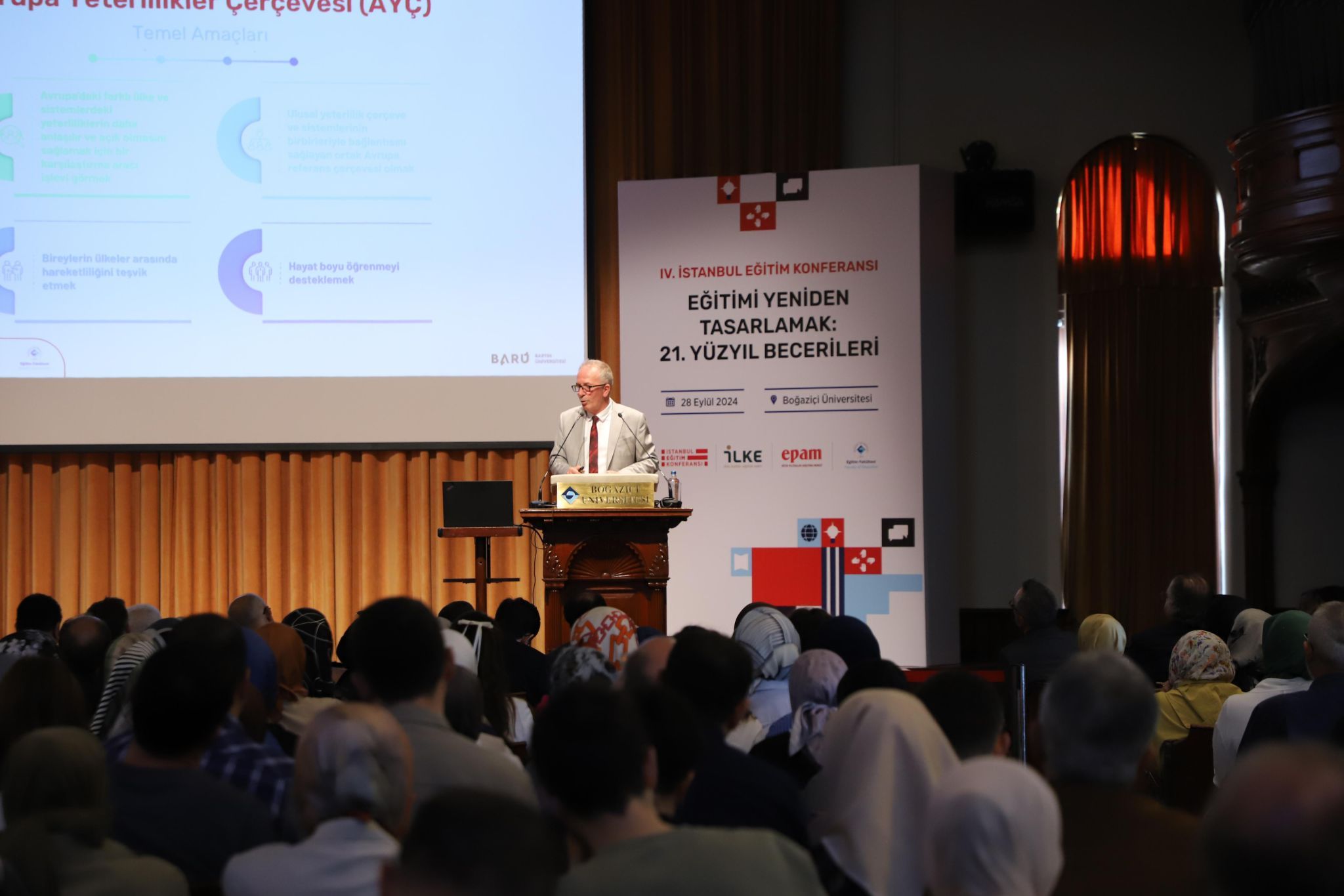
This year, under the theme “Redesigning Education: 21st Century Skills,” the IV. Istanbul Education Conference provided a platform for discussions that invited participants to rethink the impact of education on individuals and society. The conference highlighted the importance of integrating 21st-century skills, such as analytical thinking, creative problem-solving, and social-emotional competencies, into education processes to enhance individual talents and contribute to societal development. One of the key takeaways of the conference was the need for education to move beyond a purely academic achievement-oriented model and evolve into a structure that fosters ethical values, resilience, and a sense of belonging in students. The Türkiye Century Education Model was outlined as a roadmap for this transformation, emphasizing a vision that enables students to discover their individual potential and become well-rounded individuals capable of contributing to various sectors of society. The IV. Istanbul Education Conference Final Report presents comprehensive recommendations on transforming education into a system that both nurtures individual potential and promotes social justice. This year, under the theme “Redesigning Education: 21st Century Skills,” the IV. Istanbul Education Conference provided a platform for discussions that invited participants to rethink the impact of education on individuals and society. The conference highlighted the importance of integrating 21st-century skills, such as analytical thinking, creative problem-solving, and social-emotional competencies, into education processes to enhance individual talents and contribute to societal development. One of the key takeaways of the conference was the need for education to move beyond a purely academic achievement-oriented model and evolve into a structure that fosters ethical values, resilience, and a sense of belonging in students. The Türkiye Century Education Model was outlined as a roadmap for this transformation, emphasizing a vision that enables students to discover their individual potential and become well-rounded individuals capable of contributing to various sectors of society. The IV. Istanbul Education Conference Final Report presents comprehensive recommendations on transforming education into a system that both nurtures individual potential and promotes social justice.
The Outlook of Palestine: Palestinian Society in Data Report - Arabic Vers.


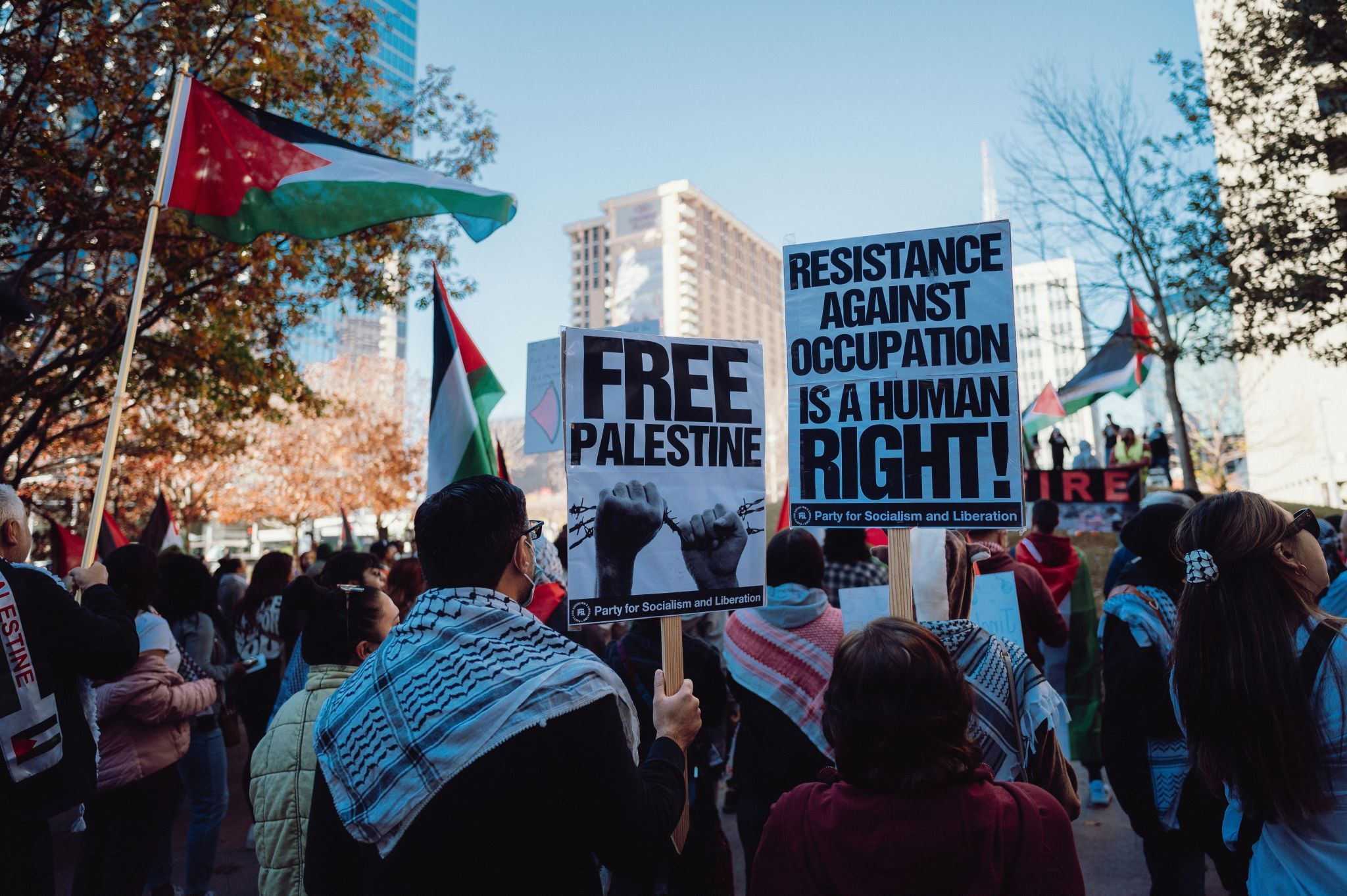
For decades, Palestine has endured the hardships of Israeli occupation. Since October 7, 2023, the violence perpetrated by the occupying regime has escalated to genocide, pushing the Palestinian issue to the forefront of global public opinion and raising urgent questions about Palestine and the actions of the occupying power. What are Palestinians' longstanding administrative, economic, and social challenges? How has the occupation impacted Palestinian society, and how does that society continue to resist? This report, The Outlook of Palestine, seeks to answer these critical questions. The report provides a comprehensive examination of Palestine’s socio-economic situation before October 7 and analyses the effects of Israeli occupation policies on Palestinian society. Using critical indicators in demography, economy, education, health, and labor, the report presents data that reveals both the structural challenges and the resilience within Palestinian society. Additionally, it explores the impact of Israel’s blockade and settlement policies on daily life in Palestine, the conditions of Palestinians in the diaspora, and the social consequences of the occupation. The Outlook of Palestine report aims to be a resource for studies on Palestine worldwide. The primary purpose of this report is to meet the most basic need in the field of information in today’s world, where the liberation of Palestine requires the partnership of power, will, and knowledge.

The Outlook of Palestine: Palestinian Society in Data Report


For decades, Palestine has endured the hardships of Israeli occupation. Since October 7, 2023, the violence perpetrated by the occupying regime has escalated to genocide, pushing the Palestinian issue to the forefront of global public opinion and raising urgent questions about Palestine and the actions of the occupying power. What are Palestinians' longstanding administrative, economic, and social challenges? How has the occupation impacted Palestinian society, and how does that society continue to resist? This report, The Outlook of Palestine, seeks to answer these critical questions. The report provides a comprehensive examination of Palestine’s socio-economic situation before October 7 and analyses the effects of Israeli occupation policies on Palestinian society. Using critical indicators in demography, economy, education, health, and labor, the report presents data that reveals both the structural challenges and the resilience within Palestinian society. Additionally, it explores the impact of Israel’s blockade and settlement policies on daily life in Palestine, the conditions of Palestinians in the diaspora, and the social consequences of the occupation. The Outlook of Palestine report aims to be a resource for studies on Palestine worldwide. The primary purpose of this report is to meet the most basic need in the field of information in today’s world, where the liberation of Palestine requires the partnership of power, will, and knowledge. Click here to access the Turkish report   Click here to access the Arabic report For decades, Palestine has endured the hardships of Israeli occupation. Since October 7, 2023, the violence perpetrated by the occupying regime has escalated to genocide, pushing the Palestinian issue to the forefront of global public opinion and raising urgent questions about Palestine and the actions of the occupying power. What are Palestinians' longstanding administrative, economic, and social challenges? How has the occupation impacted Palestinian society, and how does that society continue to resist? This report, The Outlook of Palestine, seeks to answer these critical questions. What are Palestinians' longstanding administrative, economic, and social challenges? How has the occupation impacted Palestinian society, and how does that society continue to resist? This report, The Outlook of Palestine, seeks to answer these critical questions. The report provides a comprehensive examination of Palestine’s socio-economic situation before October 7 and analyses the effects of Israeli occupation policies on Palestinian society. Using critical indicators in demography, economy, education, health, and labor, the report presents data that reveals both the structural challenges and the resilience within Palestinian society. Additionally, it explores the impact of Israel’s blockade and settlement policies on daily life in Palestine, the conditions of Palestinians in the diaspora, and the social consequences of the occupation. The report provides a comprehensive examination of Palestine’s socio-economic situation before October 7 and analyses the effects of Israeli occupation policies on Palestinian society. Using critical indicators in demography, economy, education, health, and labor, the report presents data that reveals both the structural challenges and the resilience within Palestinian society. Additionally, it explores the impact of Israel’s blockade and settlement policies on daily life in Palestine, the conditions of Palestinians in the diaspora, and the social consequences of the occupation. The Outlook of Palestine report aims to be a resource for studies on Palestine worldwide. The primary purpose of this report is to meet the most basic need in the field of information in today’s world, where the liberation of Palestine requires the partnership of power, will, and knowledge. The Outlook of Palestine report aims to be a resource for studies on Palestine worldwide. The primary purpose of this report is to meet the most basic need in the field of information in today’s world, where the liberation of Palestine requires the partnership of power, will, and knowledge. Click here to access the Turkish report Click here to access the Arabic report

Islamic Fintech: Innovative Financial Solutions

The report, titled 'Islamic Fintech: Innovative Financial Solutions', provides an in-depth analysis of the integration by Islamic finance of core...

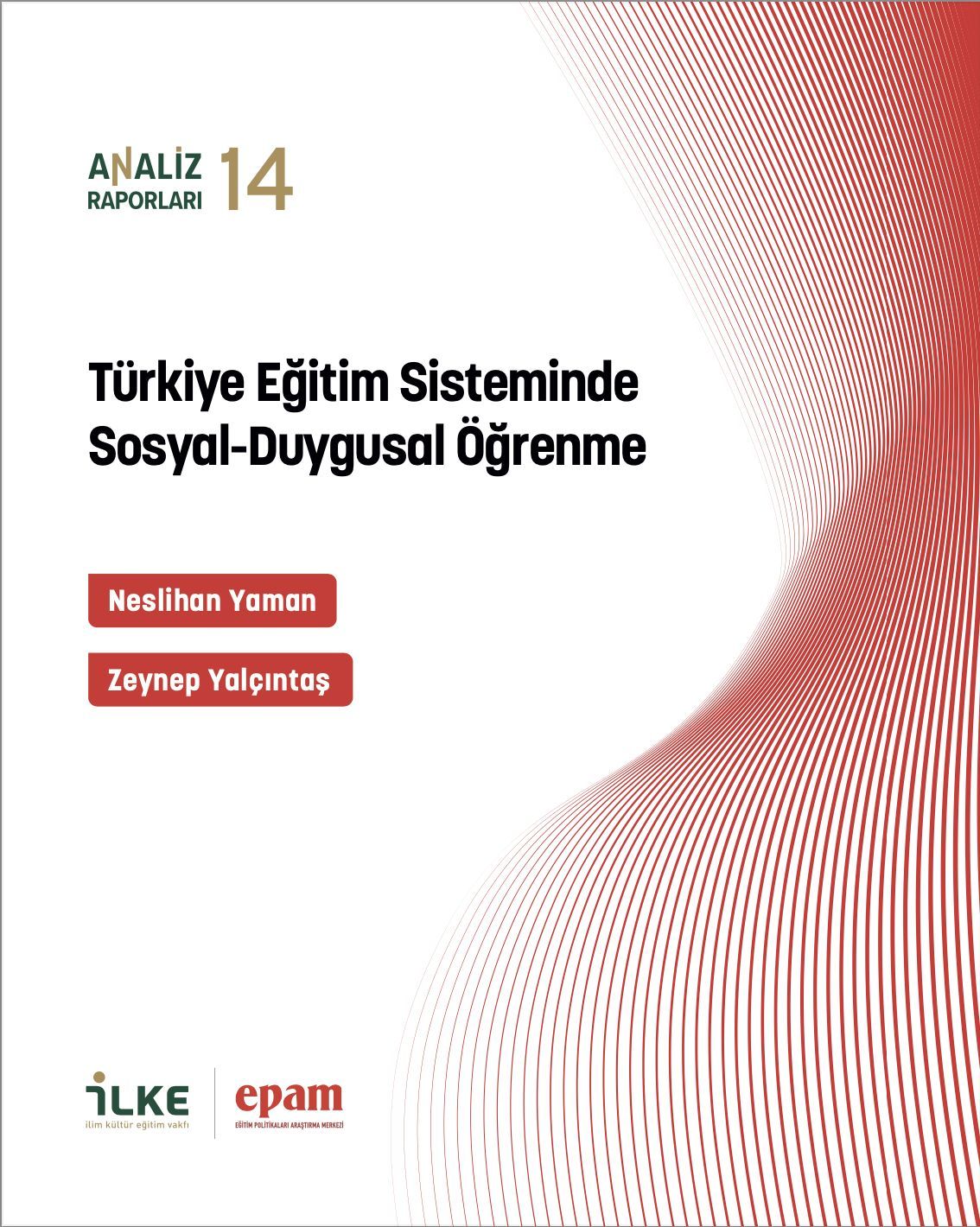
Social-Emotional Learning in Turkish Education System


The development of social and emotional skills is of critical importance for the enhancement of children's academic performance and lifelong learning, with a multitude of benefits that extend beyond the educational context. These benefits include the facilitation of learning, the reduction of behavioural problems, the adaptation to innovations, the ability to respond to changing employment demands, and the provision of support for disadvantaged students. It has been demonstrated that students who possess robust social and emotional competencies are better able to forge and sustain social connections, to cope with adversity, and to engage in learning. In recent years, a number of factors have had an adverse effect on students' emotional well-being, interpersonal interactions, social adaptation and stress and anxiety levels. These include bullying, adaptation problems, substance abuse, increases in uncontrolled technology use, and biological and natural disasters such as epidemics and earthquakes in schools. The significance of social and emotional competencies that enable students to navigate these challenges has become increasingly apparent. Social-emotional development is now regarded as a crucial aspect of children's education, and successful school reform initiatives have underscored its importance. The development of robust social and emotional competencies not only enhances students' academic abilities but also fosters the growth of crucial social and emotional skills, including resilience, self-control, and social awareness. In this context, it is crucial to foster the development of social-emotional competencies from an early age and to monitor this growth through structured assessment and evaluation processes. This study is focused on ascertaining the primary areas requiring attention by analysing the current practices for social and emotional learning, measurement, and evaluation of social and emotional skills in the global context, with a specific emphasis on the Turkish situation. The objective is to provide constructive suggestions based on the findings. The development of social and emotional skills is of critical importance for the enhancement of children's academic performance and lifelong learning, with a multitude of benefits that extend beyond the educational context. These benefits include the facilitation of learning, the reduction of behavioural problems, the adaptation to innovations, the ability to respond to changing employment demands, and the provision of support for disadvantaged students. It has been demonstrated that students who possess robust social and emotional competencies are better able to forge and sustain social connections, to cope with adversity, and to engage in learning. In recent years, a number of factors have had an adverse effect on students' emotional well-being, interpersonal interactions, social adaptation and stress and anxiety levels. These include bullying, adaptation problems, substance abuse, increases in uncontrolled technology use, and biological and natural disasters such as epidemics and earthquakes in schools. The significance of social and emotional competencies that enable students to navigate these challenges has become increasingly apparent. Social-emotional development is now regarded as a crucial aspect of children's education, and successful school reform initiatives have underscored its importance. The development of robust social and emotional competencies not only enhances students' academic abilities but also fosters the growth of crucial social and emotional skills, including resilience, self-control, and social awareness. In this context, it is crucial to foster the development of social-emotional competencies from an early age and to monitor this growth through structured assessment and evaluation processes. This study is focused on ascertaining the primary areas requiring attention by analysing the current practices for social and emotional learning, measurement, and evaluation of social and emotional skills in the global context, with a specific emphasis on the Turkish situation. The objective is to provide constructive suggestions based on the findings.