

Non-Governmental Organizations Came Together at the Civil Society Summit
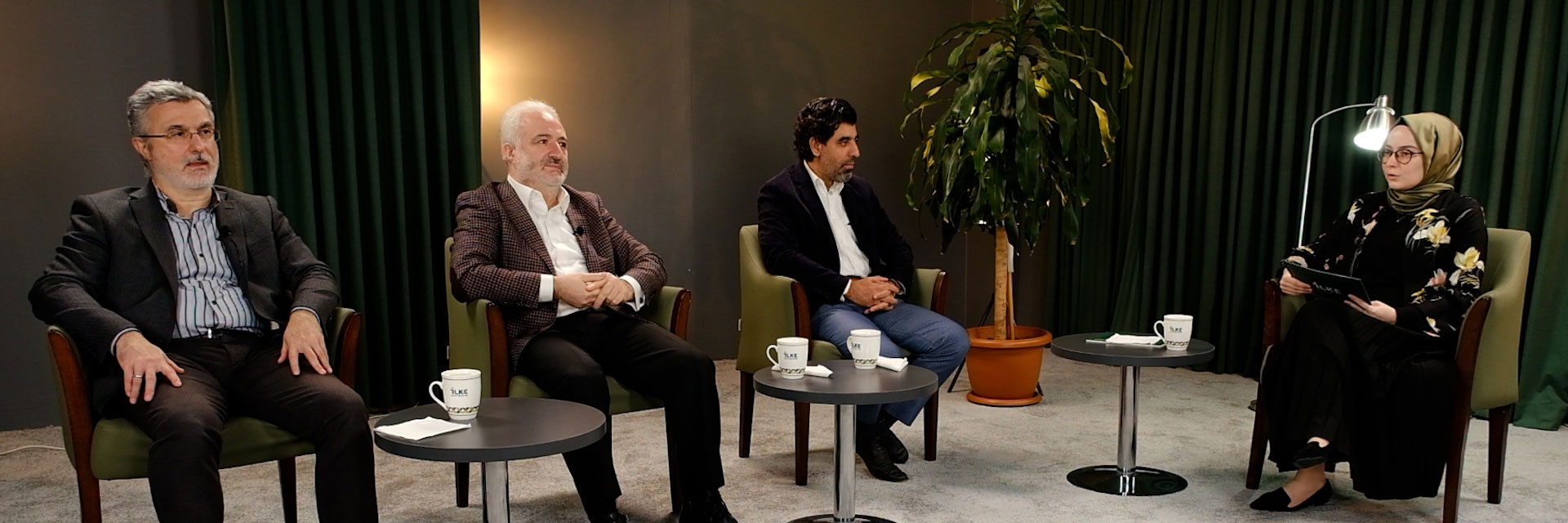
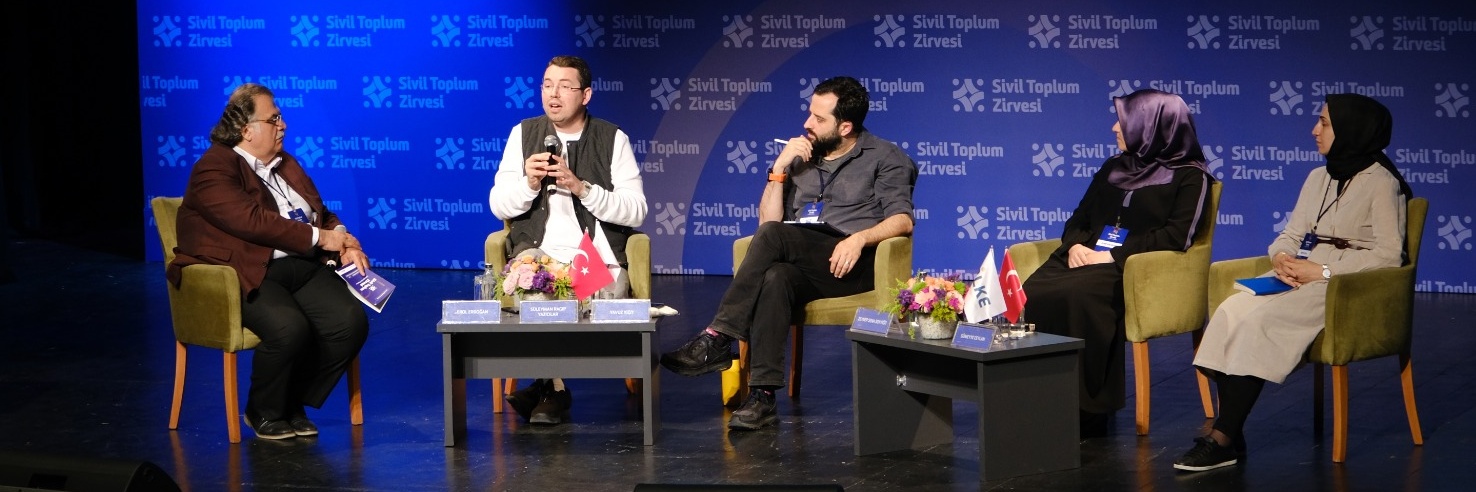
The Civil Society Summit was held at Uskudar Baglarbasi Cultural Centre with the participation of non-governmental organizations. Presentation of the "Civil Society in the Turkey of the Future" report, the panels "Youth in the Civil Society of the Future" and "New Trends in the Civil Society" took place at the summit where the civil society awards were given. The Civil Society Summit started with the opening speech of Halit Bekiroglu, Member of the İLKE Foundation Board of Directors. In his speech, Bekiroglu talked about the activities of the İLKE Foundation and its member institutions, and then he talked about the latest situation of Civil Society in Turkey.Civil Society Awards has presented to the winners.After the opening speeches, the civil society awards, which were given for the first time this year, presented to the winners. Innovative NGO Awards given to Refugees and Asylum Seekers Assistance and Solidarity Association; Outstanding Activity Award given to Assalam Association Afrika Cafe; TOÇEV President Ebru Uygun was deemed worthy of the Volunteering Award. After the award ceremony, Prof. Dr. Nihat Erdogmus and Prof. Dr. Lutfi Sunar held an introductory presentation of the Civil Society report in Turkey of the Future, which they are preparing.Expressing that civil society has the opportunity to reach the most invisible people in societies, Sunar talked about how significant civil society is for society in this sense. Addressing the stages of civil society in Turkey, Lutfi Sunar said that civil society, which limited by restrictive laws, has experienced improvement with legal configurations since the 2000s and NGOs have been able to find a field of activity more easily. Lutfi Sunar then talked about digitalization and the developments after Covid-19.Nihat Erdogmus addressed the changing structure and orientations of non-governmental organizations in his presentation stated that the changes we are experiencing today have deeply affected NGOs such as the public and private sectors. Nihat Erdogmus addressed the changing structure and orientations of non-governmental organizations in his presentation and stated that the changes we are experiencing today have deeply affected NGOs such as the public and private sectors. He noted that changes in the external environment and the needs of corporate structures increased interest in institutionalization and professional work. Nihat Erdogmus said that digitalization and similar innovations revealed new forms of organization. Prof. Dr. Nihat Erdogmus finally concluded his speech by presenting his suggestions and evaluations for NGOs.Youth in the Civil Society of the Future PanelIn order to increase youth participation in non-governmental organizations and to involve civil society in the future and career plans of young people, it aimed to transform society with pioneering studies, ideas and participation that can be role models. Projects and initiatives that support young people to take a more role in this transformation discussed at the “Youth in the Civil Society of the Future” session.The Panel on New trends in Civil SocietyIn the changing and transforming world, the new trends of the NGOs, which closely follow the needs of the society, in their activities and practices revealed by focusing on the needs of the future together with the innovations brought by the change. In the panel moderated by Prof. Dr.Omer Torlak, Prof. Dr. Mehmet Lutfi Arslan from Istanbul Medeniyet University and advocate Ali Kurt from the Union of NGOs of the Islamic World (IDSB) made their speeches.Mehmet Lütfi Arslan, in his speech, stated that the statist elites and the political elites prevent civil society from coming to the fore in these issues of politics, economy, and culture. Kurt, who assesses public institutions and Civil Society relations, said that Civil Society should remain outside government intervention, and civil society can only remain civil in this way.